Hello from Majuro,
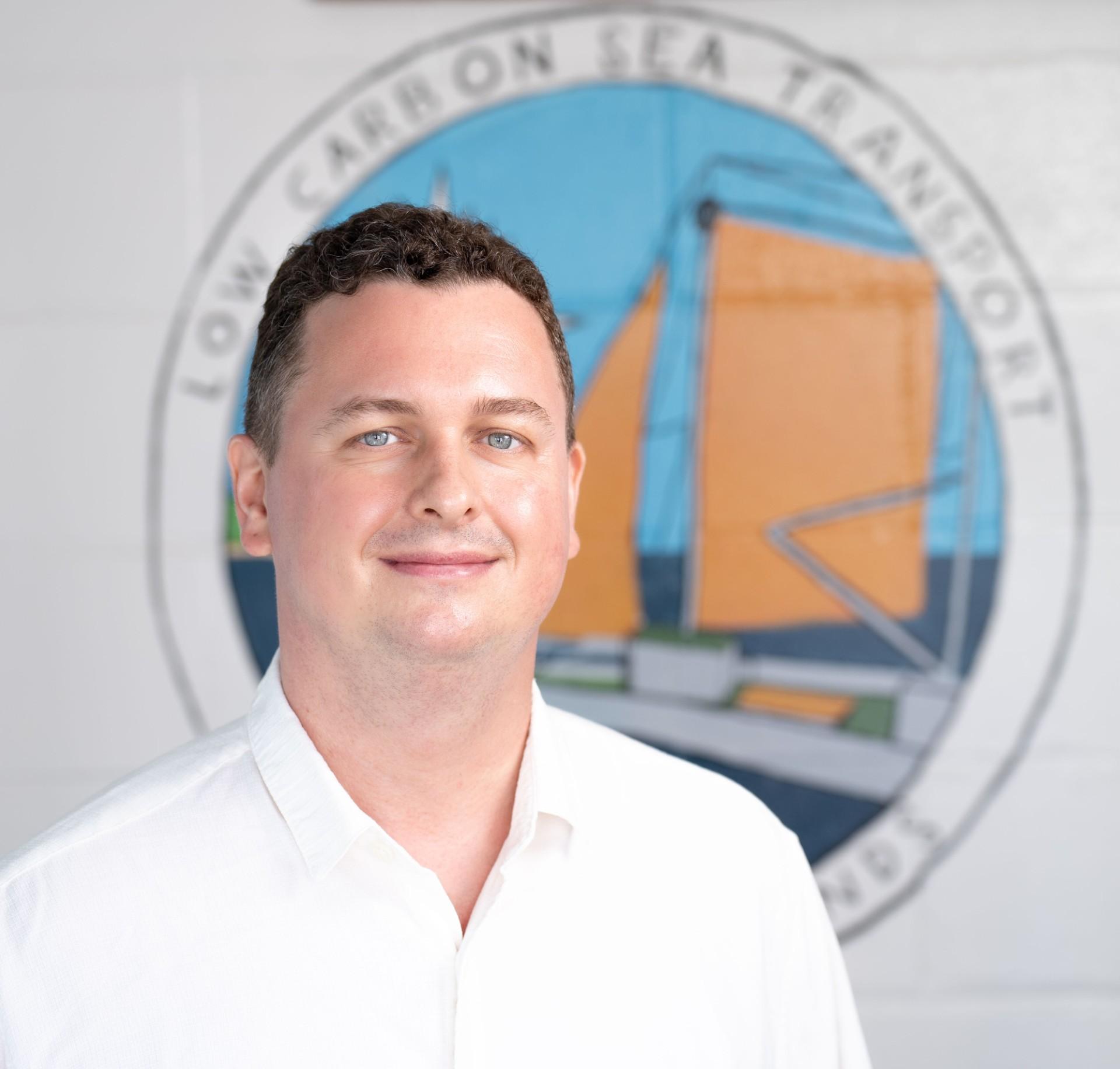
My name is Raffael Held, I am 36 years old and have been living and working on the Marshall Islands for eight years.
The country consists of 29 coral atolls. Its economic area is as large as Germany and France combined, but the area of its land is equivalent to that of Bremen. Everything is small and flat: on average 1.5 metres above sea level, the highest elevation is 7 metres. This is precisely what makes the country so vulnerable.
Climate change is not an abstract issue here. I see how much land is being lost, how extreme weather events are increasing, and how the coasts are regularly flooded. This is also why the Marshall Islands are so ambitious when it comes to climate change mitigation. It was delegates from this country who, ten years ago at COP in Paris, made a key contribution to the 1.5-degree target being adopted in the first place.
I come from Bavaria originally. After training in container shipping, studying marine engineering in Flensburg, and working as a ship engineer on international routes, my path led me to the Pacific. I first landed in Majuro, the capital of the Marshall Islands, for an internship with GIZ – and ended up staying. For three years, I have been managing GIZ’s Low Carbon Sea Transport project.
Funded by the International Climate Initiative and commissioned by the German Environment Ministry, we cooperate closely with the Government of the Marshall Islands. We also take a very practical approach to our work here. We have developed a new type of ship: a cargo sailing ship around 50 metres long that consumes up to 80 per cent less diesel. On windy days, it sails with no fuel at all. This means lower costs, less dependency, and greater security of supply.
The distances here are enormous. It takes up to five days to travel from Germany to Majuro. We are probably one of the most remote GIZ projects. At the same time, I notice that interest in the region is growing. We received almost a hundred applications for a single internship position.
What I appreciate about GIZ is that you can achieve a lot if you take on responsibility. My path shows how I was able to develop step by step. I was encouraged, but also challenged, particularly because the great physical distance to line managers requires trust. Micromanagement would be impossible here. And in the end, even on such a technical project, you’re always working with people. The exchange with the people on the islands, with ministries, and with ship crews is what fascinates me about my job.
Best regards,
Raffael Held